

After Disneyland, our next few days in Tokyo didn’t get much quieter. We had a jam packed schedule. We really wanted to experience as much as we could on this trip.
We travelled to Asakusa via Uber, which was different again to Ginza and Minato City. There were still plenty of restaurants but here, there was a lot more foot traffic only areas, and little shops (as opposed to multi-level department stores). It seemed a nice area, but our main reason for going there was to visit the Asakusa Sumo Club and do the Sumo Experience.
Before moving on, I have to say that even after experiencing the local Subway with a tour guide, until this point, we still hadn’t braved the train lines on our own, and Uber was so reliable and easy that we opted for it everywhere we went in Tokyo.
While the Sumo experience is very clearly ‘put on’ for the tourists, and is not part of any real tournament, we really enjoyed it. The commentary was all in English and the experience included a Chanko-Nabe (sumo hot pot), which is ‘all you can eat’ hot broth, noodles, chicken, chicken balls, Kaarage chicken, edamame, vegetables and some little cakes. The reason they serve this particular meal, is to give you a little taste of how Sumo’s eat when they are preparing for a tournament.
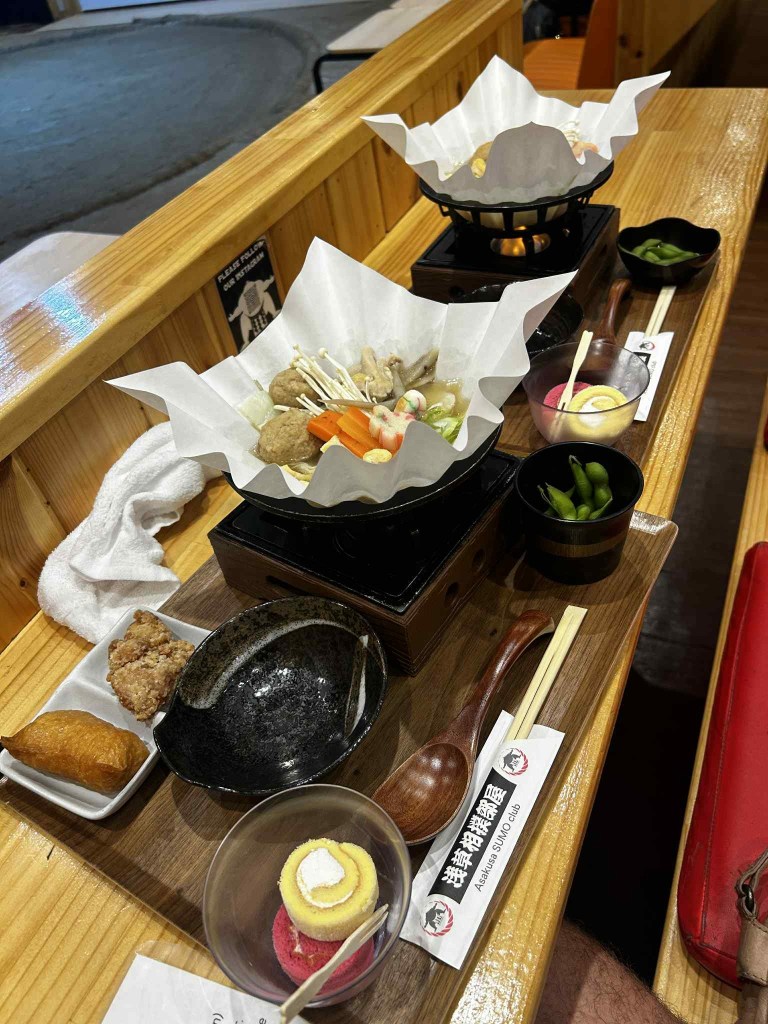
The room you sit in has two sides of wooden benches and then a small stage and the dohyo (the wrestling circle) in the middle. The presenter told us about Sumo families, explained the rules of competition and gave some history on the martial art, then introduced us to two former Sumo’s, who provided a colorful demonstration of the wrestling. Each side of the room was given a wrestler to cheer for, which added a little more fun and so, we ate, we drank and we watched and learnt.
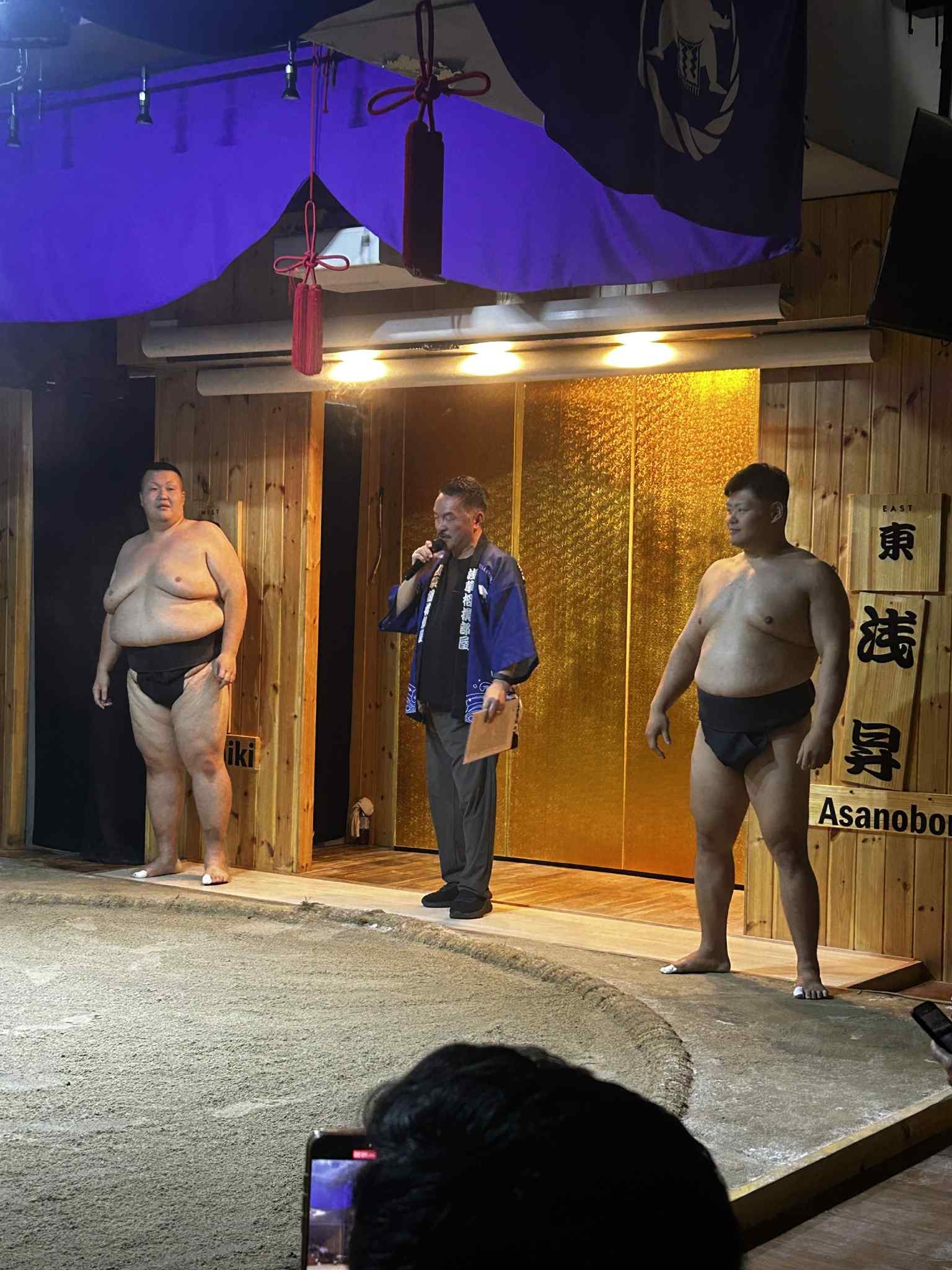

All of the guests were given a chance to challenge a Sumo toward the end of the show and Ben did, very bravely, volunteer but after a ‘draw a straw’ style narrow down, he didn’t get picked to challenge. It was however, very funny watching other tourists come out in their sumo suits and challenge the Sumo’s. I can categorically say, the Sumo’s won every time!

Next up, Scramble Crossing and anyone who has done any research on Tokyo at all, would have seen pictures of this strangely organised mayhem. Shibuya is the thick of Tokyo and Scramble Crossing is the constantly beating heart of the thick.
Being at ground level on Scramble is hectic, there are people going this way and that, and we happened to be there on a ceremony day, so there was extra people on the streets. There were large groups of people chanting and carrying a… well, a heavy looking, chest type thing, that I later learnt was called a mikoshi and that it is part of a Shinto ritual. Ben and I looked at each other, then did what we do best, escaped the mayhem and found ‘The Hub’ (a British style pub), ordered a beer, and waited until we felt ready to head back into the busy shopping district and try to get a better look at Scramble.


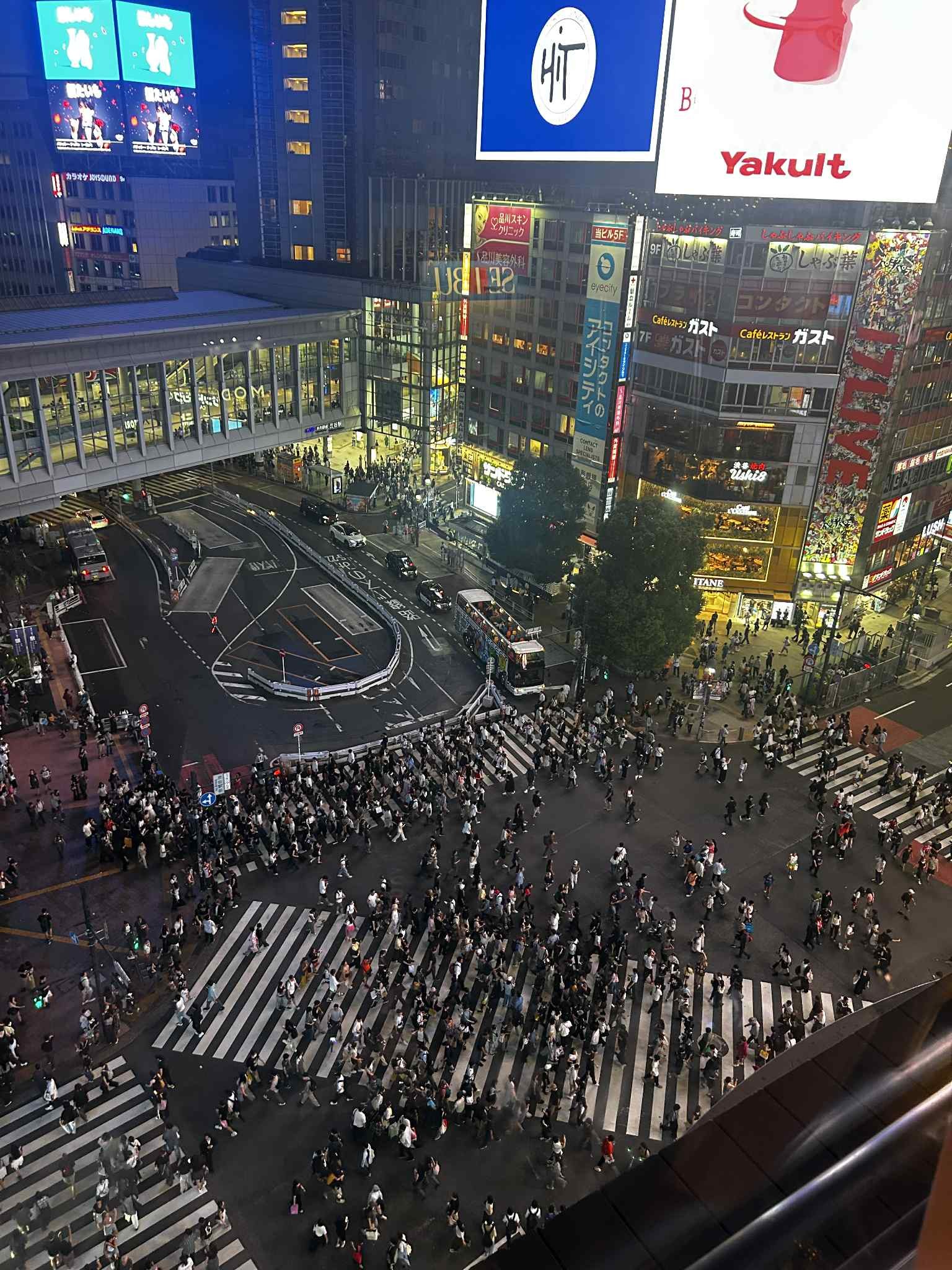
I’m not sure that there is anywhere else in the world with a more photographed road intersection. It is for good reason, normally watching people walk across a road is extremely unexciting but at this particular crossing, hundreds of pedestrians go so many ways at once that it just… looks cool. We went up to Mags, to get some good photos from above and I have to admit, this place feels a bit ‘tourist trappy’ and that’s probably because it is. At Mags you can Bluetooth your phone to their cameras above and get ‘those photos’ that everyone wants, while you have a drink and just ‘stand and watch’ for a while.
If you are going to Scramble and you know the story of Hatchiko, I shouldn’t need to explain, if you know… you know. The famous Akita statue is only a short walk away so definitely take a look. Very nostalgic, indeed.

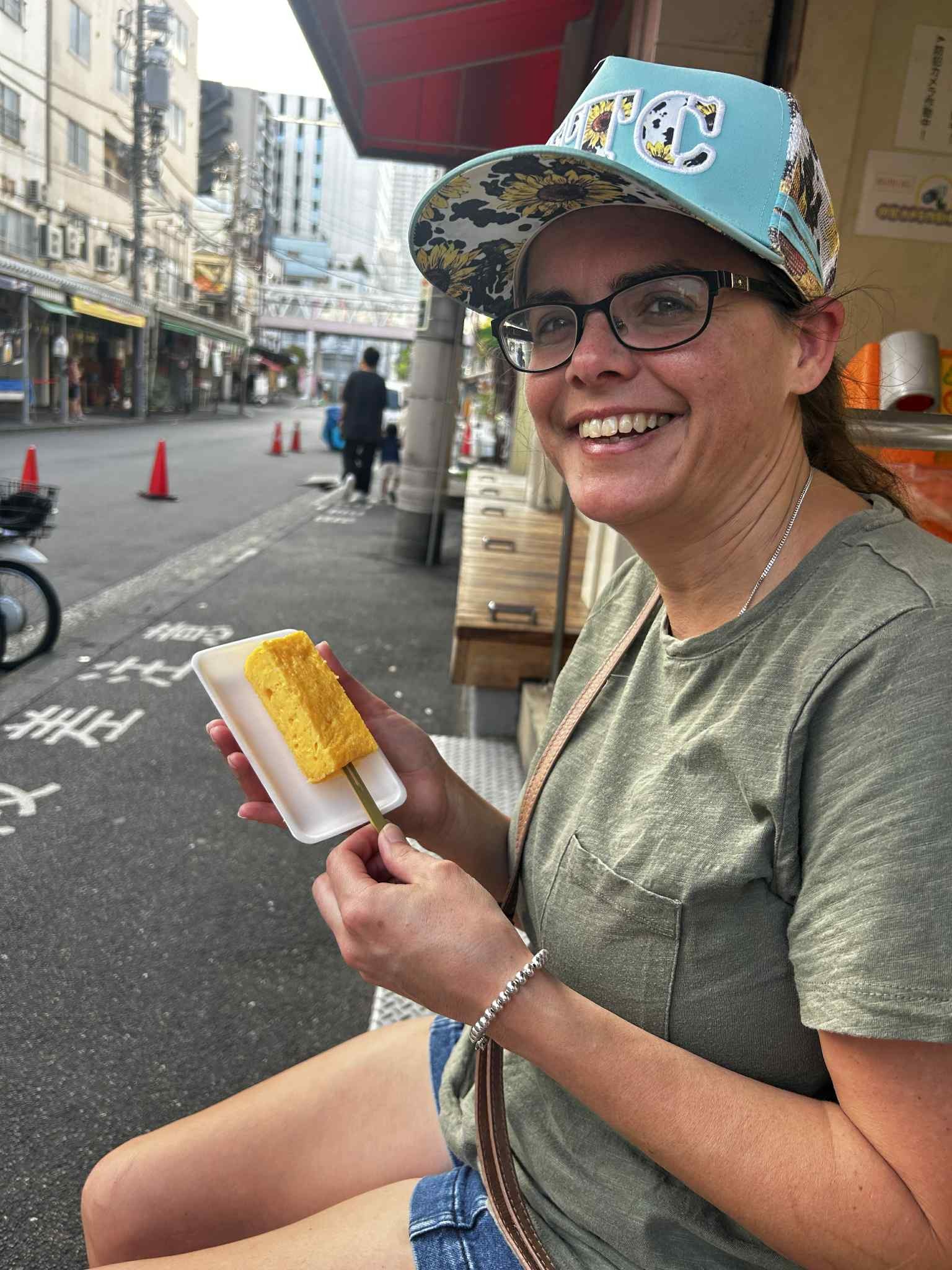
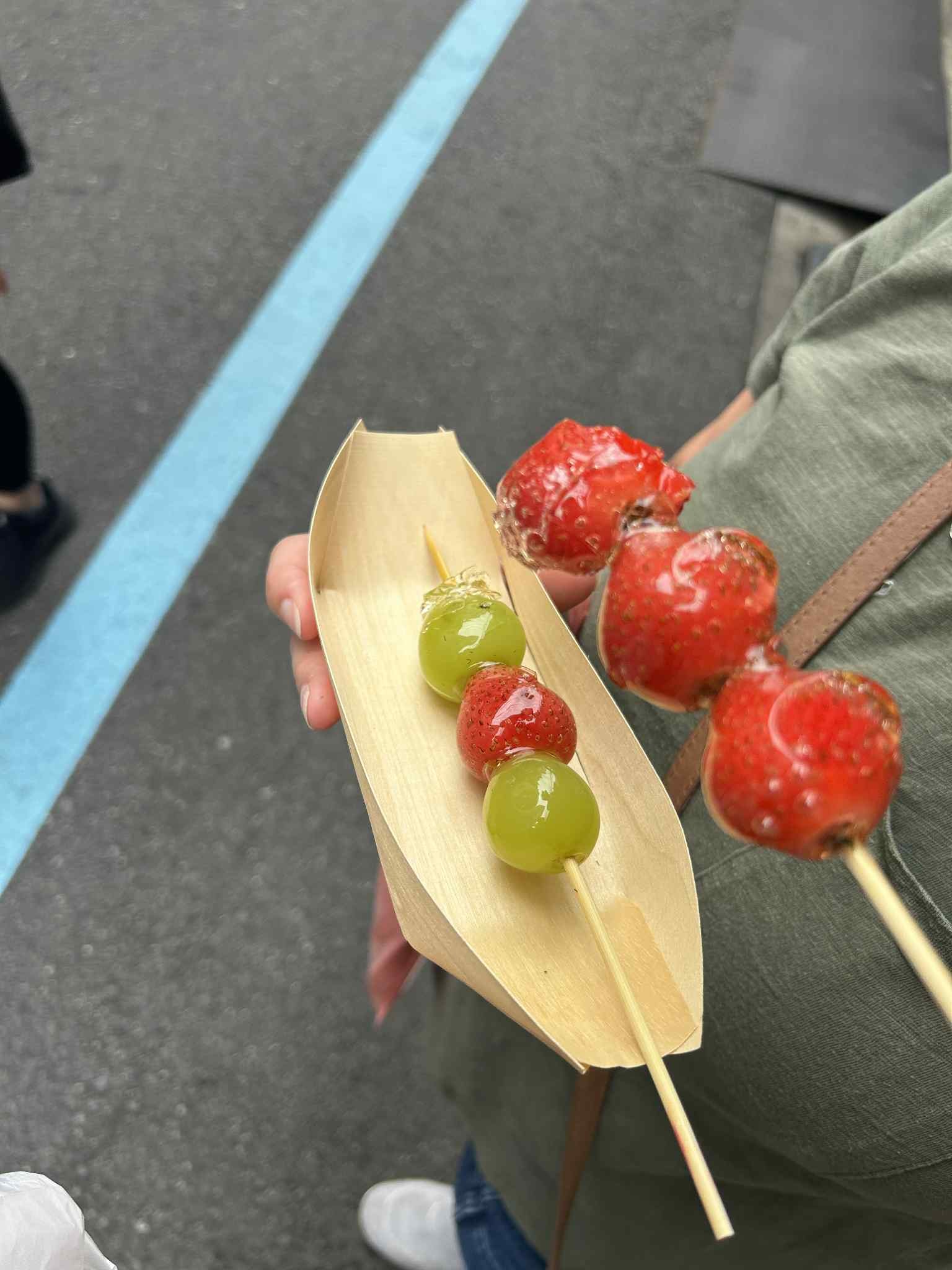
The next day was to be our last full day in Tokyo, and we didn’t have anything ‘booked’ as such, so we followed recommendations from friends and got up early to head to Ginza for the fish markets. Now, we expected people throwing fish and bargaining over big tuna bodies, but what we got was an actual market, with little shops and stalls, selling fresh seafood and other delights. We were a little early, so we did some waiting around for stalls to open. Once they did, we did several laps of the market, just looking. We wanted to eat but when you have so many choices, it’s quite over-whelming. After much deliberation, I tried the Tamagoyaki (Japanese egg roll), which was deliciously soft and had a pleasant sweetness. There were lots of signs, ice boxes and cabinets displaying King crab and this was something we wouldn’t easily be able to get in Australia, so Ben wanted to try this. Finally, we decided on a little sushi restaurant… conveyer belt, chef in sight and all, and chose to sit in. The crab, the tuna and, our favorite, the unagi (fresh water eel) were absolutely delicious and so, so fresh. On the way out, dessert seemed in order, so candied strawberries and grapes were our choice and oh my goodness, the sugar coating was thin and crunchy and the fruit inside was sweet and fresh. Perfect.


To come: We say goodbye to Tokyo and have our first bullet train ride to Kyoto. By this stage of our trip, we were feeling a little tired of concrete worlds, and we were looking forward to seeing something a little smaller and a little greener.
TOP TIP No. 4:
We did try to go to TeamLab Planets, Tokyo, but we did not realise that you need to book this experience. The easiest way to do this seems to be on the Klook app, so if you want to do TeamLab, book before you go. We found a lovely spot to sit, drink and have a snack in that area anyway, but we did not get to go to TeamLab because we didn’t know you couldn’t just buy a ticket when you get there. Like many of these Japan experiences, it is a timed experience, so you need to show up at your booking time.
 Food & Fiction