
Shinkansen, when you are looking for your ride between cities, you will quickly learn that this is the Japanese word for bullet train. Now, as I have already explained, the train system in Japan, gave both Ben and I a little anxiety. I am happy to report that the experience of getting to the right platform, finding the right Shinkansen and getting to the right car was actually easier than we expected. The ease of it was largely due to Ben’s excellent research on where to go, and what side of Tokyo Station we needed to be on and also to the Klook app, which allowed us to very easily book Shinkansen tickets, without having to visit a ticket booth. It simply issued us with QR codes, which we scanned at the gates and our tickets popped out the other side. Bullet trains only visit large main stations, so you won’t be able to catch one from a local subway station, without catching another train or two or more… to the main station. For us, again, Uber was the easiest way.
Before we knew it, we were boarding this iconic mode of transport. We were very much looking forward to seeing something other than the busy, shiny city that is Tokyo. We chose to sit in the green car with allocated seating on the bullet train. Klook is very good at explaining your options in regard to this. The inside of the train was furnished more as a comfortable, spacious aircraft than any train I’d been on.


I know that many Aussie’s go down the path of getting a JR Pass before they get to Japan, for us, because we didn’t brave the local subway’s and only took a couple of bullet train rides, it was much cheaper and easier just to book our rides on Klook. The decision is yours, but if you are not planning on travelling the trainlines at least daily, I would look at Klook before buying a JR Pass.
Shinkansen is travelling fast, between 260 and 320km/hr, but if the world outside wasn’t whizzing past the windows, you wouldn’t know you were moving. It’s a smooth, comfortable ride. Better still, you get to see so much along the way, even if it is only for a second. City, more city, buildings, more buildings, then finally trees and mountains, which were an extremely welcome sight. We did go past the spot where Mount Fuji is, but unfortunately, like many days, it wasn’t visible due to cloud cover.
When we exited Kyoto station, the vibe was not dissimilar to Tokyo, in that, it was still a city. Not as busy but a city all the same. It was quite a walk (about half of an hour) to our hotel and it was hot, but it gave us a chance to see how Kyoto had more little lanes than Tokyo. It felt older, more traditional and smaller. At this stage, we were extremely glad that we’d organised a transport company to take our luggage from Tokyo to our next hotel for us, which meant we weren’t dragging any bags, besides the trusty backpack, around Kyoto. We had some time to kill and so we discovered some markets on the way to the hotel, where I got some traditional kanzashi (Japanese hair stick) put in and we found some cold Kyoto beer, gyoza and sushi.
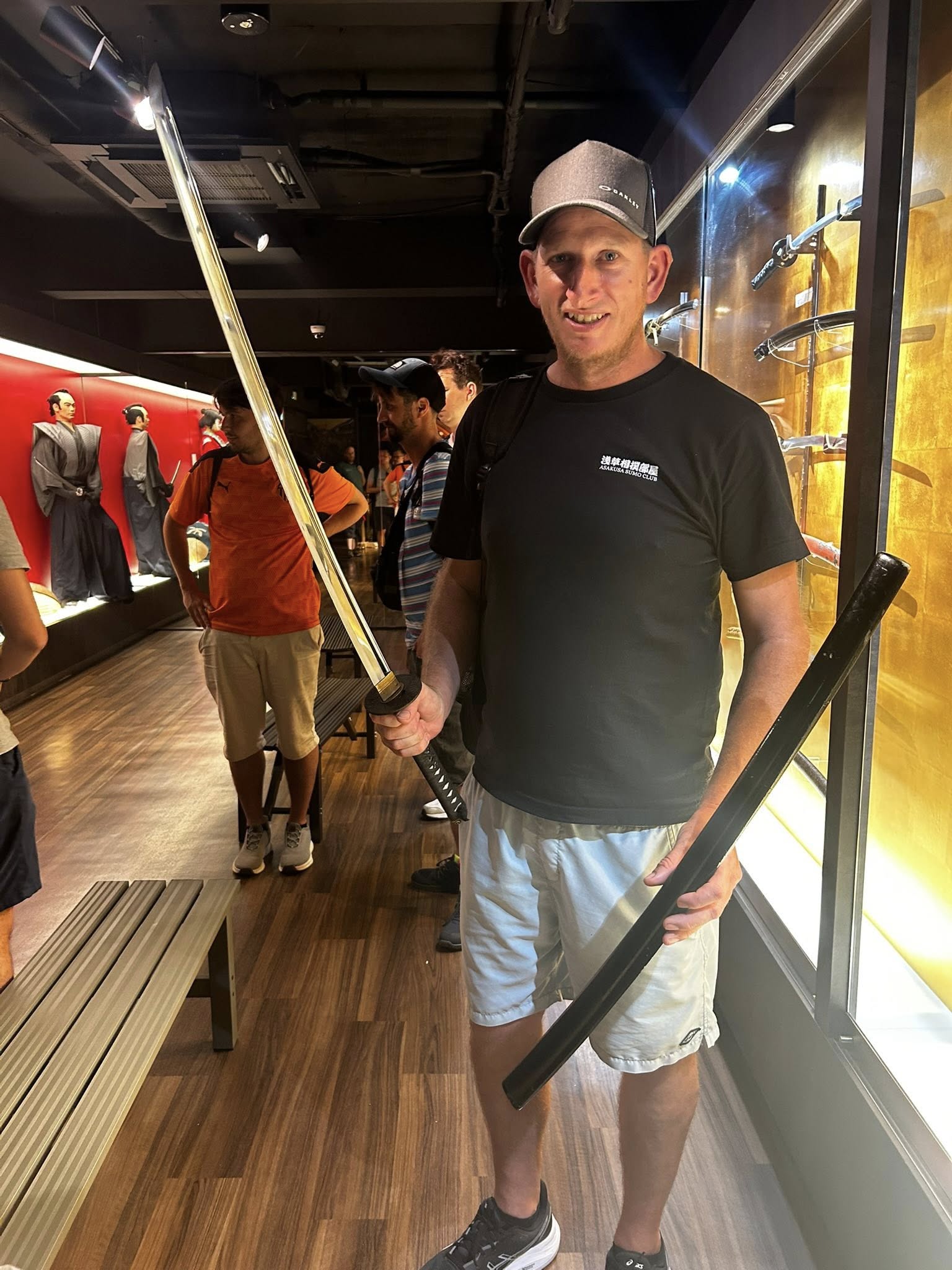
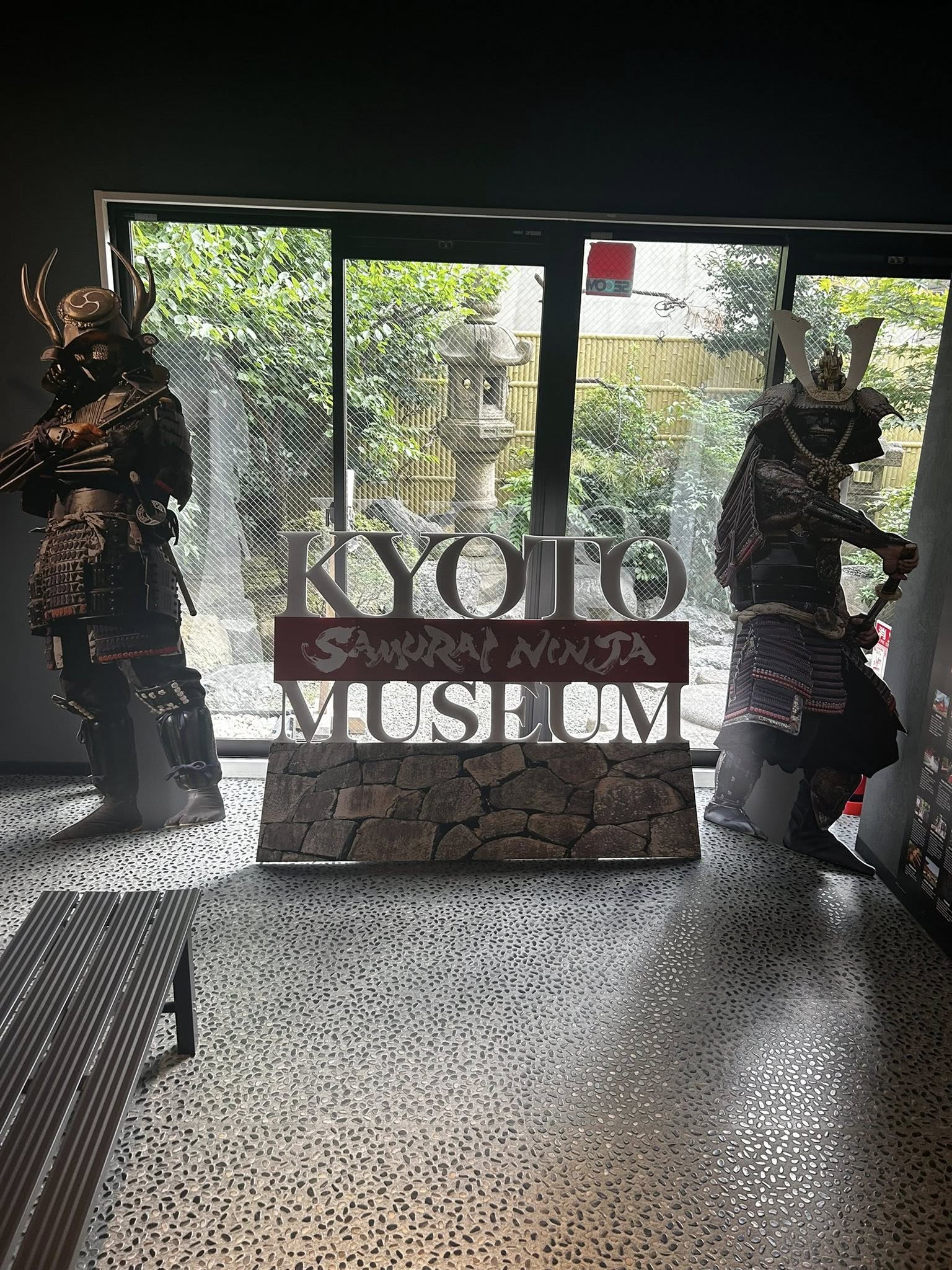
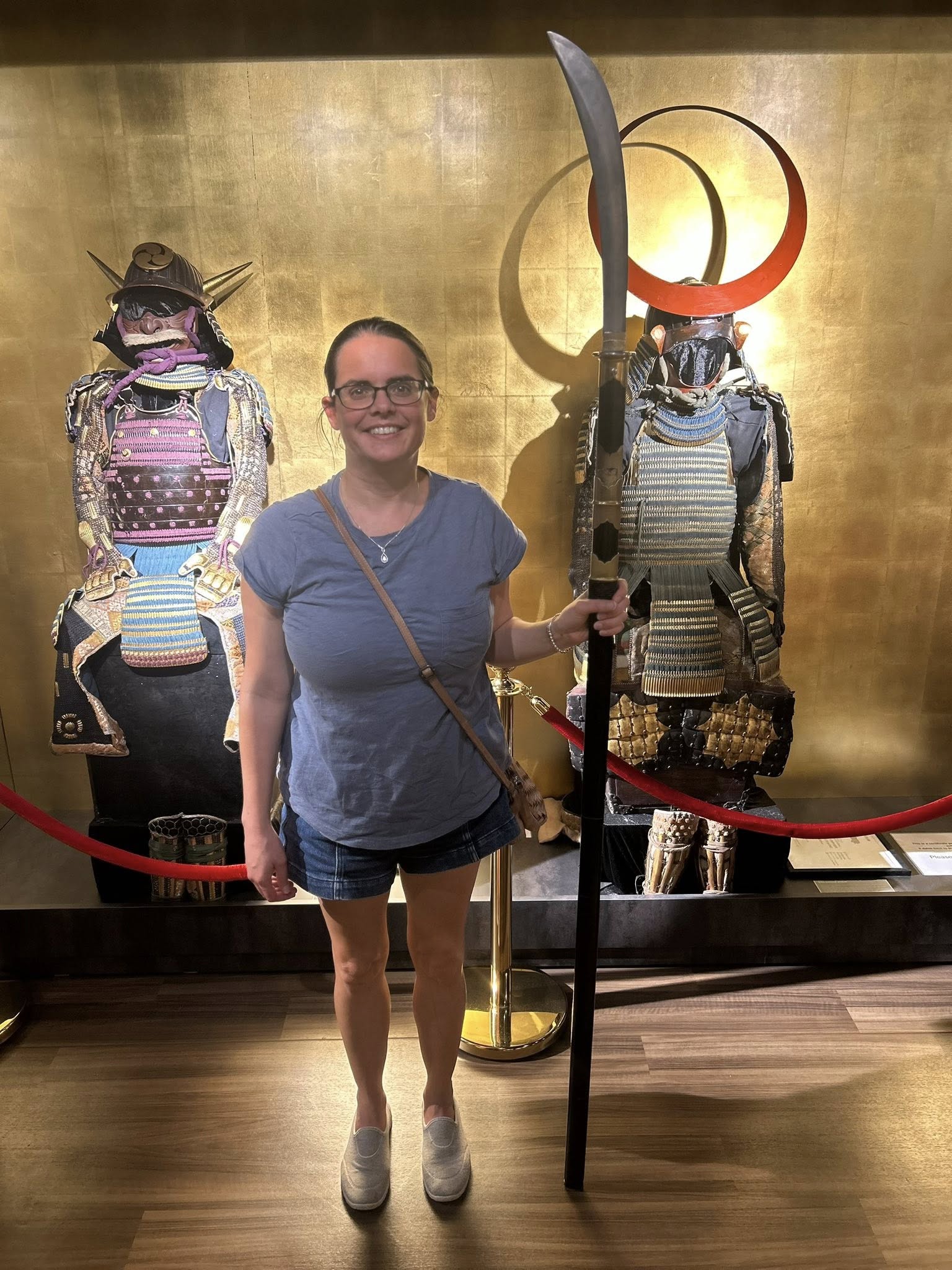
We also discovered the Samurai & Ninja Museum, which I have to say was one of the most interesting experiences we had. The tour, which is part of your ticket was a great way to learn about Samurai, ninja and Shogun traditions. Ticket prices are around $30 AUD and you can pay extra if you want to do some of the experiences, like Ninja training and dress up or do a tea ceremony. We were happy enough just to have a look around, and hang out in the air-con for a while. During the tour, you will learn that the artifacts and different armors have some extremely interesting stories behind them. You also get to hold real (but unsharpened) weapons to get the full feel of what they carried around. It’s a place that you can spend a lot of time at or a little, depending on how deep you want to get into the experience.
Check in time approached, so we made our way to the hotel. Our Kyoto hotel was the Kamanza Hotel and talk about some space… this place was the polar opposite of our cramped Tokyo apartment. It had a large room containing a traditional dining area, a wardrobe (also looked traditional), our big bed, a desk and plenty of luggage room. It also had an entire shower room off the bathroom and separate toilet room. The staff kept to themselves and this stay was very comfortable.
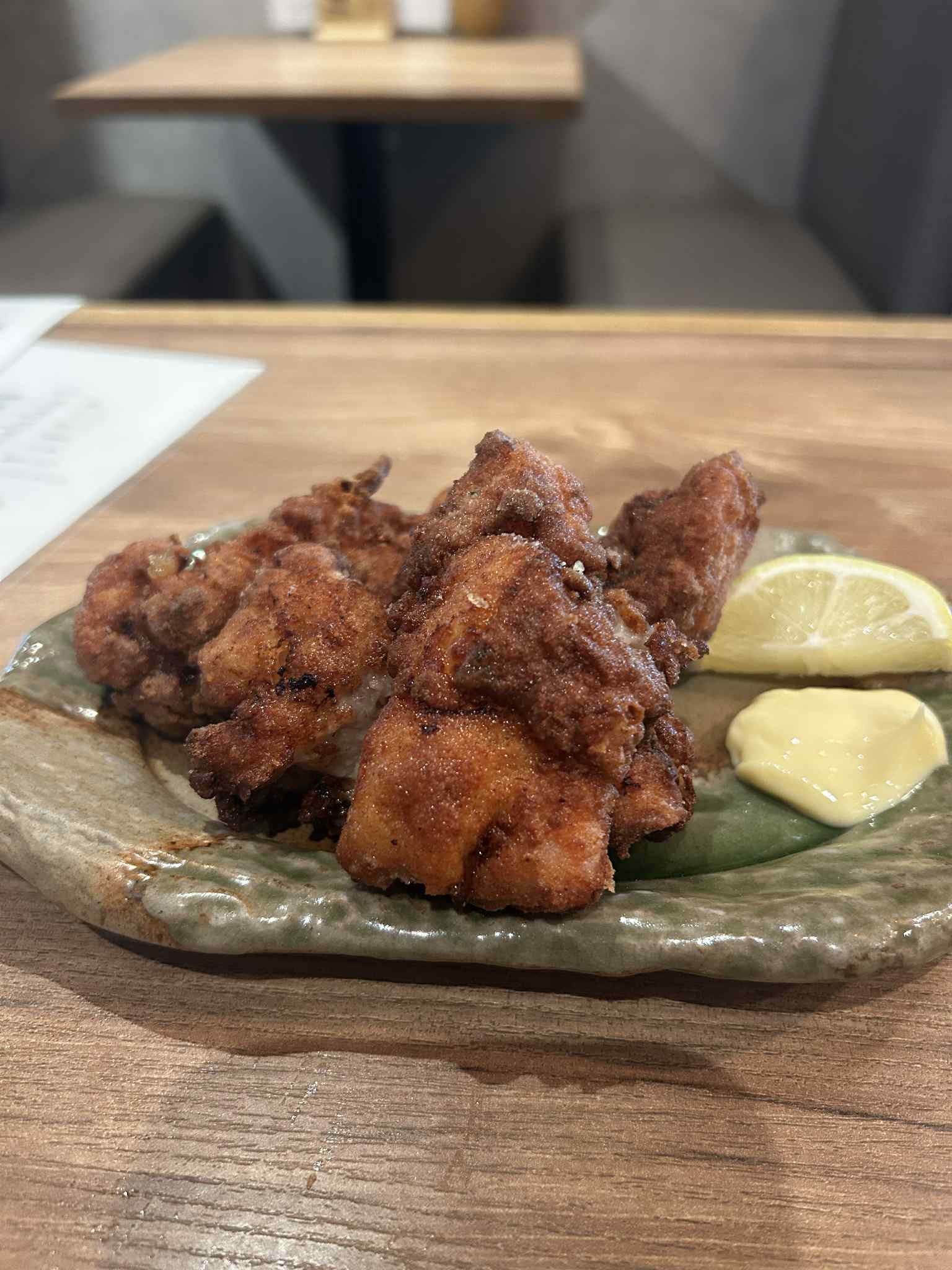
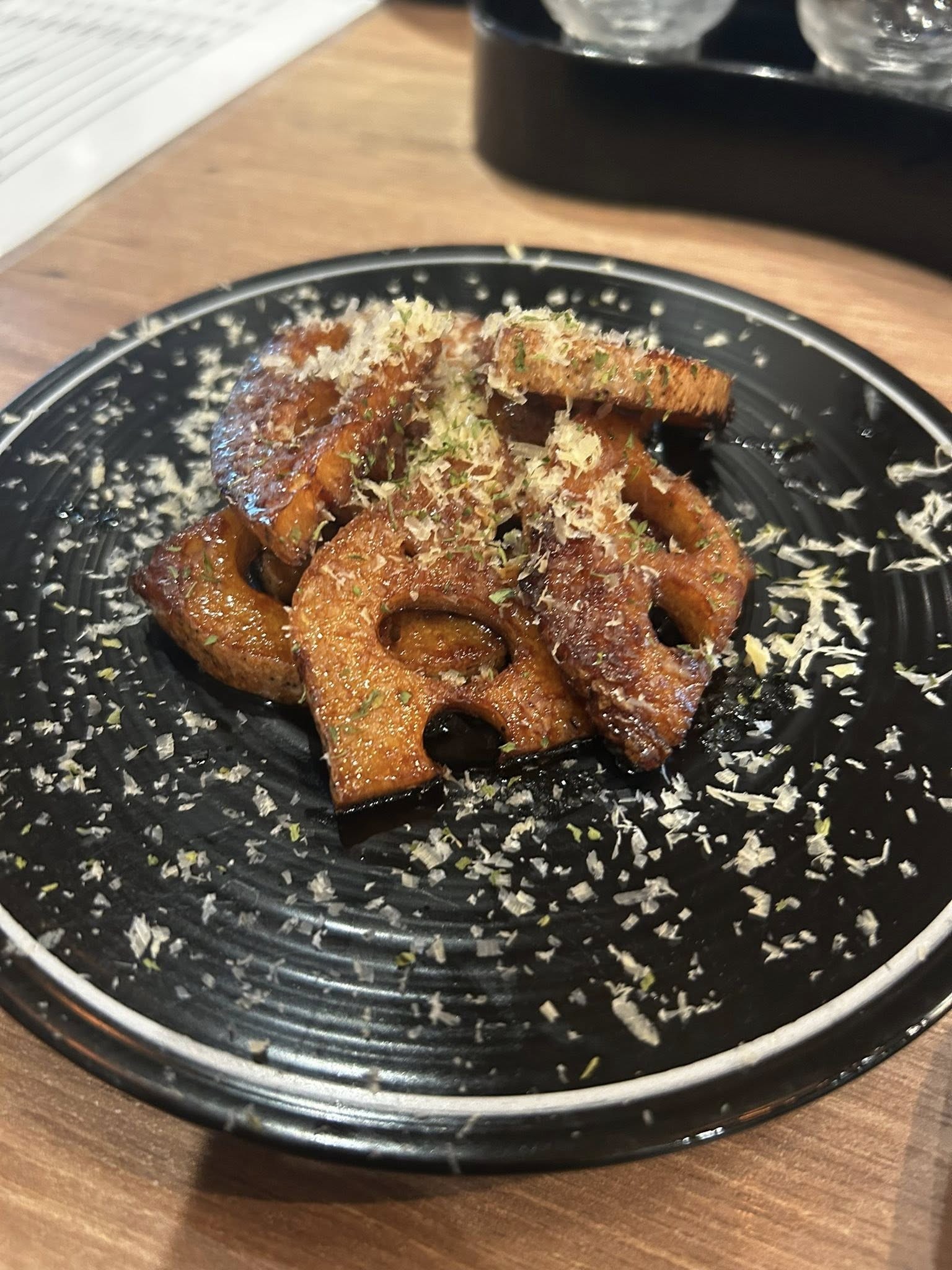
To top off our day, we decided to look for a meal and a drink and I am glad we did. At this point, we did have a few negative feelings floating between us but I will explain this in the last paragraph of this blog, so read on. We found a little bar, manned by a chef from out of town. He was polite, courteous and his food and drink knowledge was wonderful. It was here that we experienced our number one dish of our trip. Surprisingly, it wasn’t meat. It was lotus root and although we had been eating it in Tokyo, this was different. It had was cooked in the chef’s own sauce and served with salty cheese, it was just umami and mouth-watering. In fact, every dish and mouthful of clean sake we tried here, was a winner.

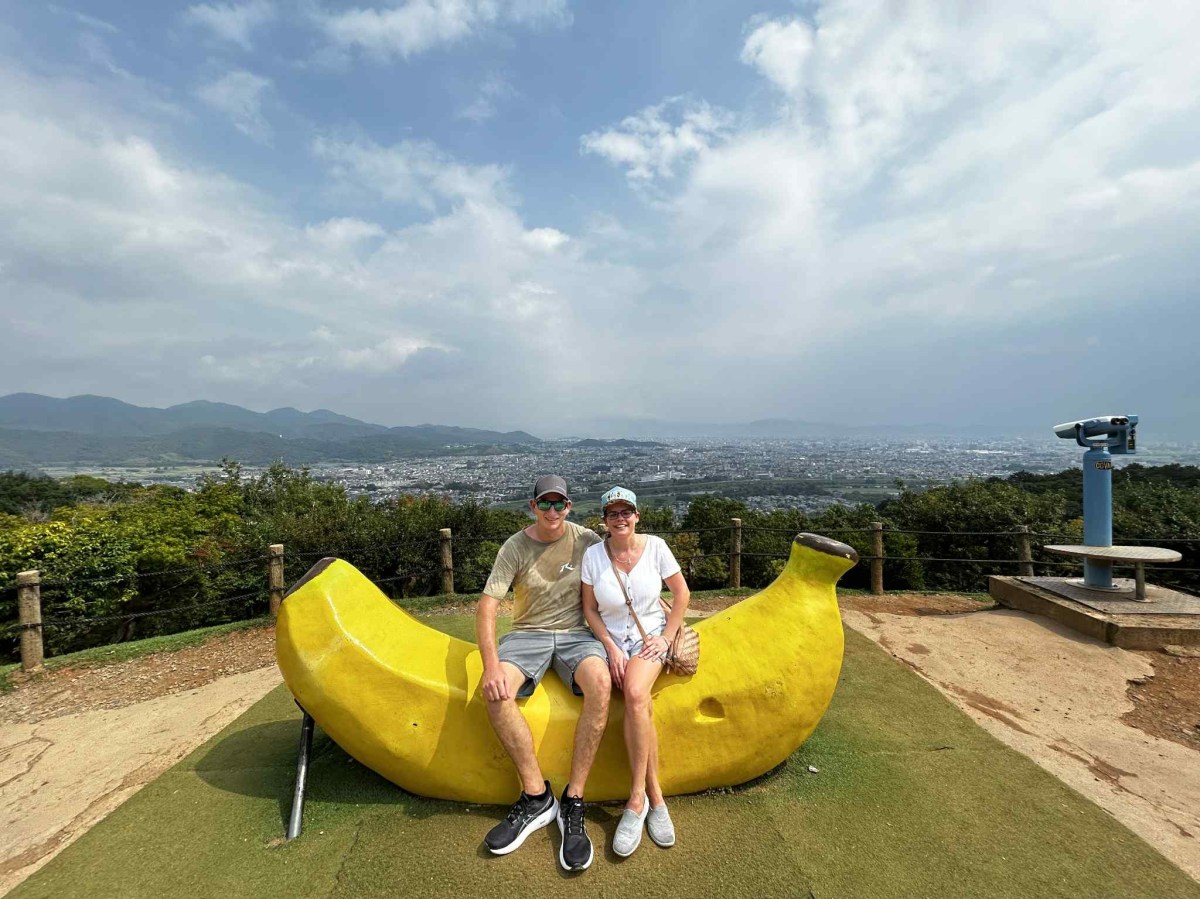
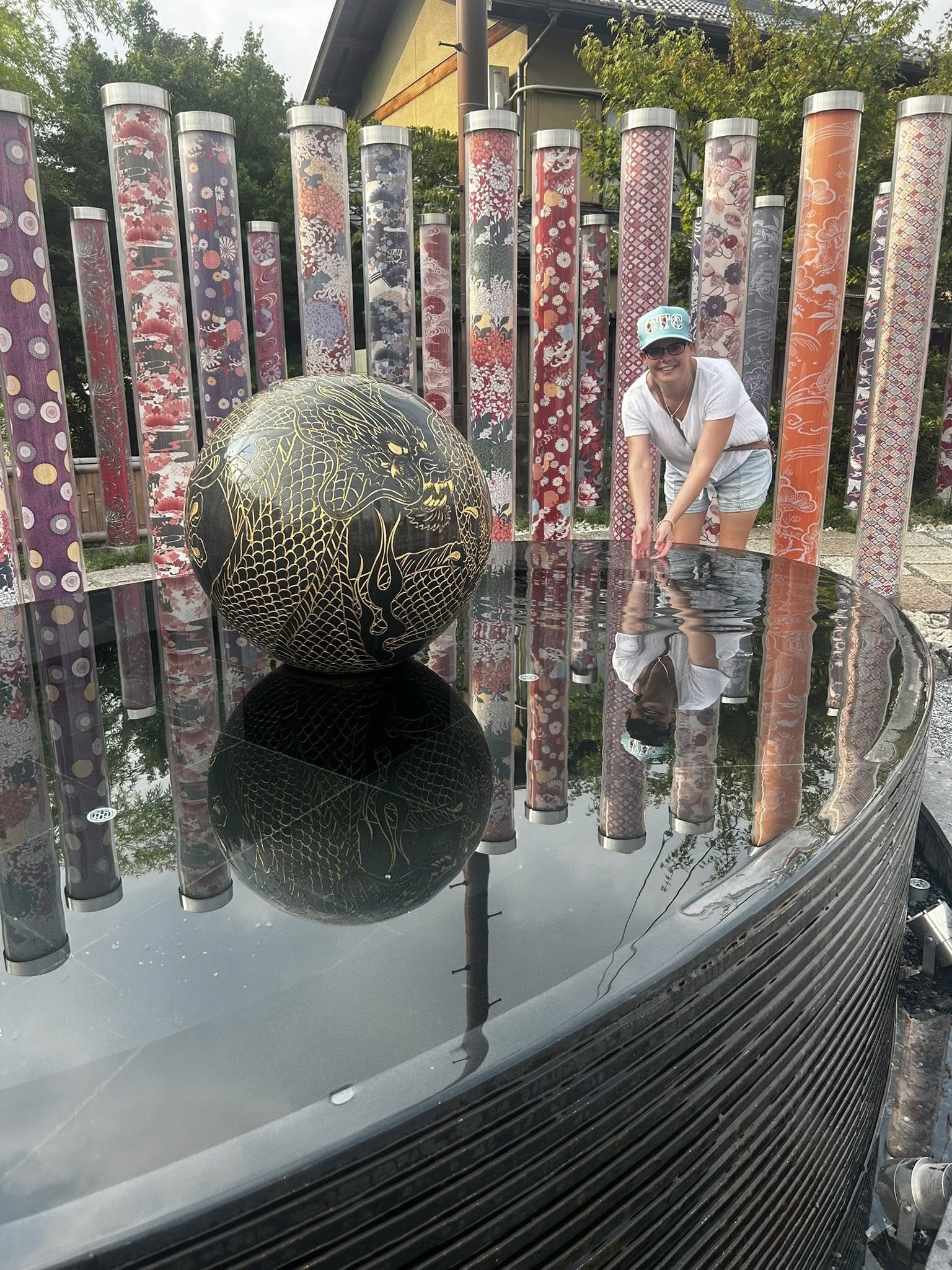
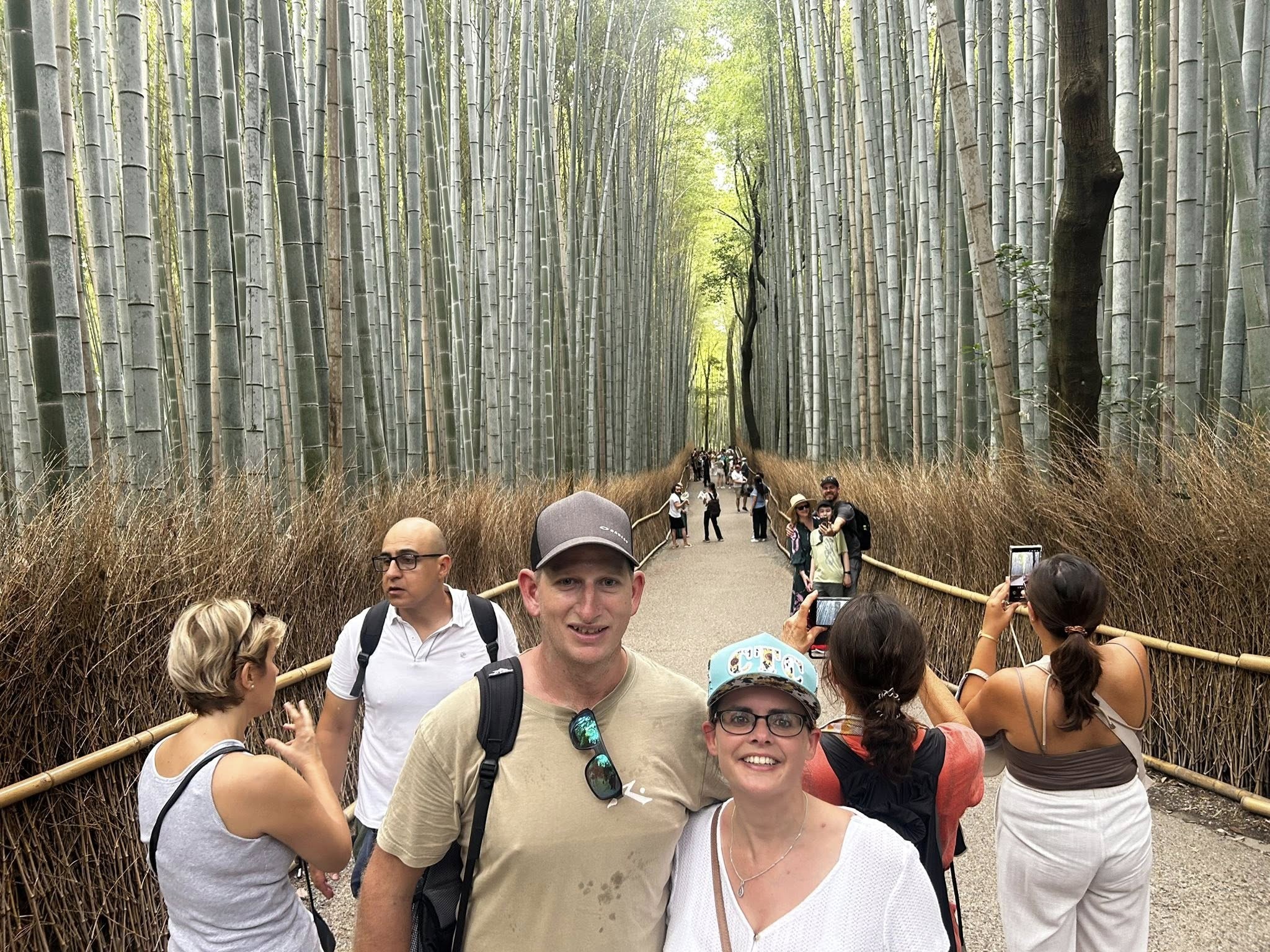
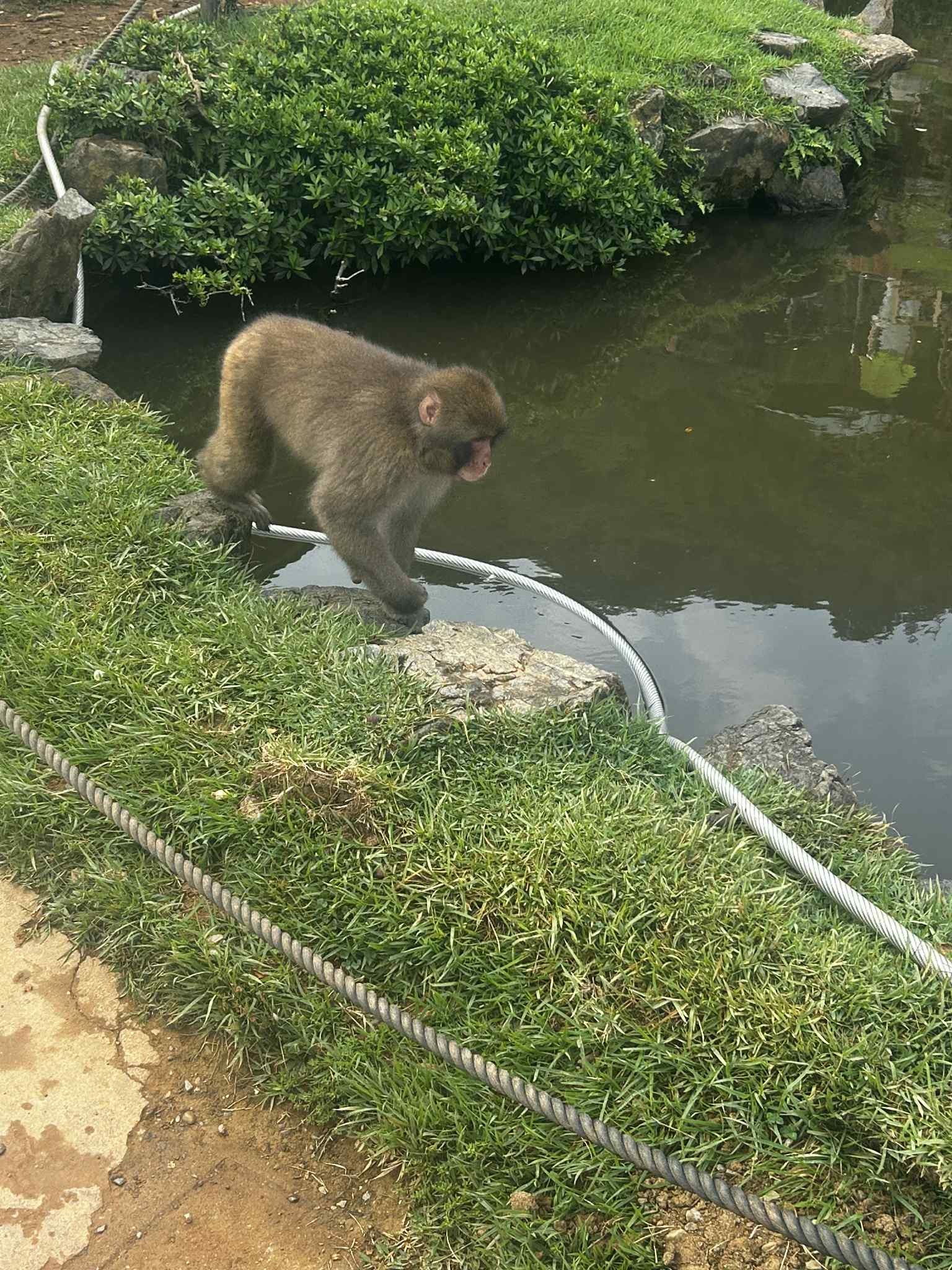
The next day was set to be a ‘free’ have a look around Kyoto day and as we were only here for two nights, again we wanted to make the most of it. Ben looked on Klook and found a 4 hour walking tour featuring Tenryu-ji Temple, Arashiyama Bamboo Forest, Nonomiya Shrine and the monkey park. This was honestly one of the best things we booked of our own accord. The tour guide was great and the other people on the tour were really friendly. We spent most of the day with some Texan’s we got along with, even having a nice meal with them after. The tour guide provided us with some really interesting history, without being too formal about it and we even learnt that some koi fish are over 100 years old. The bamboo forest is an amazing sight and a great photo opportunity. There is some tasting to be done of some local foods and spices at the small Kyoto shops and then you climb. You climb some more and you keep climbing, until you see monkey’s. The road to the monkey mountain is some stairs but mostly upward path and I, for one, did struggle a little but it is worth the hike. The view of Kyoto from the big banana at the top is picturesque and the monkeys are very well behaved and so interesting to watch. You can feed them with food they provide, from inside a hut, but we didn’t.




We couldn’t leave this part of Kyoto without sampling a little more sake. So, we walked back to a sake shop we’d seen earlier. We sampled some local sake on it’s own and some with a beautiful plum liquor mixed in. True to our style, we ended up with a bottle of each to take home, yum.
Now, I don’t want to end my Kyoto blog on a ‘low’ because it was probably our favorite place of the trip, but the thing about blogging is that sometimes truth, although hard to officially say, is needed. We loved our Japan trip and we would take none of it back and yes, we agree with people when they say the Japanese are polite people. In most cases, they were, but there were a few times where we either felt like we were being ignored, mocked by people on other tables at restaurants, or we were being ushered to places where tourists are clearly welcome. It seems that there is a degree of facade, put on for tourists, that may be covering the fact that some locals just don’t like tourists. We tried to walk into a bar in Kyoto and although there were only two or three people in there, with plenty of free tables, the barman or chef or owner (not sure which), waved us out saying they were full. We walked past the same place a while later, and it still held very little people. It was a lie to get us to leave. An American we met in Tokyo described a similar experience in some of the places he’d tried to eat in. It was not something we were expecting to experience, given what we had heard from Australian’s who had been to Japan, and it was a bit of a shock because in Australia our culture has evolved to be extremely inclusive. Ushering someone out of a venue because they are not from here, would just never be done or at least never be done without criticism. Anyway, I’m giving you the information, I’ll let you decide what you think but it is just how we felt.
Next Up: It’s back on the bullet train to head to our last top… Osaka.
Top Tip No. 5:
Essential apps list for a Japan trip and you have probably heard of a few. We found the most useful to be Uber, Klook, Google Translate and Google Maps.
 Food & Fiction